
From Moth Traps to CPD: How Local Wildlife Observation Drives Lifelong Learning
Introduction – Finding Nature on your Doorstep
I consider myself fortunate to have built a career within ecology, although it was not my original career path. As a teenager, I wanted to become a countryside ranger and completed work experience with the Wirral Ranger Service. Later, I aspired to study marine biology and undertook my PADI diver training, although I ultimately followed a slightly different route and completed a degree in Applied Ecology.
Following graduation, I was lucky enough to secure a role in consultancy. My early career focused on reptiles, amphibians, mammals and birds but as I progressed, my interests evolved, and one of the great attractions of natural history is that there is always something new to learn. It was not until the mid-2010s that I began exploring the fascinating world of moths.
The interest developed when my children were young and lengthy excursions became more difficult to fit around work and family life. Instead, I started looking more closely at the wildlife on my doorstep. I bought my first moth trap and began surveying my garden, unaware that this single purchase would open the door to an entirely new world of learning, discovery and enjoyment.
At first, the sheer number of unfamiliar species entering the trap felt overwhelming. However, as with any new skill, knowledge gradually accumulated. Suddenly species that once looked identical began to reveal distinctive markings, behaviours and seasonal flight periods that made identification possible (mostly with the help of excellent local Facebook groups). What started as a simple hobby soon became a source of continual learning and personal development.
To illustrate the diversity that can be found close to home, I moved into my current house in July 2023 and immediately started a new “garden list.” In just a few years, I have recorded nearly 400 species, demonstrating the remarkable biodiversity that exists around us if we take the time to look.
Beyond the species themselves, moth trapping provides a valuable connection with nature. For those of us who spend much of our working life in an office environment, it offers a welcome opportunity to reconnect with the seasons and wider natural world. There are few better ways to start the day than with a morning coffee while examining the previous night’s catch and discovering what arrived while you were asleep.
Learning Never Stops
One of the aspects of moth recording that I did not anticipate was how it would continually expand into new areas of study. Some examples are provided below.
What began with a moth trap quickly led to training courses, specialist books, field visits and discussions with experienced recorders. Every new species seemed to raise further questions, creating opportunities to learn new survey methods, identification techniques and ecological relationships.
This continuous learning was part of my Continuing Professional Development (CPD). As ecologists, we recognise the importance of keeping our skills current and broadening our knowledge. Moth recording provides an enjoyable way of doing exactly that.
Bagworms – A Fascinating Discovery
A local moth recorder introduced me to a small colony of bagworms (Luffia lapidella). The larvae construct distinctive cone-shaped cases from silk, sand, algae and lichen, carrying them wherever they go.
The species can only be located by actively searching for these cases on walls, rocks and tree trunks. Even more remarkable is its method of reproduction. In northern populations, only flightless females occur, reproducing through parthenogenesis. Unfertilised eggs develop into genetic copies of the female and are laid within the abandoned larval case.
When the caterpillars hatch, they disperse by producing fine silk strands that act as miniature parachutes, allowing the wind to carry them to new locations.
Learning about this species transformed my daily dog walks. Suddenly every stone wall in the village became a potential survey site. It perfectly demonstrates how a single discovery can change the way we view familiar surroundings and inspire further investigation.
Looking Beyond Moths
Moth trapping also provides opportunities to learn about many other groups of wildlife. Any regular moth trapper will be familiar with “moth trap intruders” – the beetles, spiders, caddisflies, lacewings and other invertebrates that appear alongside the target species.
Rather than ignoring them, I now try to identify as many as possible and submit records through iRecord. This has broadened my understanding of invertebrate ecology and highlights that becoming interested in one taxonomic group naturally improves knowledge of others.
Clearwings and New Survey Techniques
Another avenue of learning has been the use of pheromone lures to survey for clearwing moths. Unlike many moth species, clearwings are largely day-flying and rarely appear in light traps.
Using pheromone lures allows surveyors to attract specific species and observe them at close quarters. Recently, I have targeted clearwing species associated with local allotments (currant clearwings (Synanthedon tipuliformis)) as well as surveys in the garden which have attracted yellow-legged clearwing (Synanthedon vespiformis) and lunar hornet clearwing (Sesia bembeciformis) (Figure 2).
Learning and applying these specialist techniques has provided yet another example of how one interest can lead to the use of entirely new survey methods.
Nests, Leaf Mines and Research Opportunities
My interest in moths has also led me into areas of small-scale research.
For the past couple of years, I have retained old dormouse and bird nests (kindly supplied by the RSK Biocensus team) and monitored the moths emerging from them. These observations contribute to a growing understanding of moth and nest associations, and one aspect of this work resulted in a published article[1]. Publishing research or a short note in a journal is a great demonstration of where curiosity can eventually lead.
Leaf mines provide another fascinating area for study. Many tiny moth species can be identified from the distinctive feeding patterns left by their larvae within leaves. By examining these mines and occasionally rearing specimens to adulthood, it is possible to confirm species that might otherwise go undetected. Every leaf, nest and hedgerow may contain another opportunity to discover something new.
The Importance of Recording
Perhaps most importantly (and personally for me), wildlife observations become more valuable when they are recorded and data shared.
Submitting moth records to county recorders and national databases contributes to a broader understanding of species distribution and population trends. These citizen-science records are frequently used to support conservation initiatives, research and ecological assessments.
By simply recording the wildlife found in our gardens and local communities and submitting those records, individuals can make a genuine contribution to our understanding of the natural world.
Conclusion
My experience with moths has shown that learning does not stop when formal education ends. Whether through professional work, personal interests or local wildlife recording, there are always opportunities to develop new skills and expand our understanding.
What started as a way of engaging with nature closer to home has become an ongoing journey of discovery, research and personal development. From bagworms and clearwings to leaf mines and nest associations, each new observation opens the door to further questions and learning opportunities, whilst also giving something back to nature
I hope this encourages others to take the plunge and start moth recording (or delve into learning something new). The remarkable diversity of species, the endless opportunities for continued learning and the ability to contribute valuable biological records make it an immensely rewarding pursuit for anyone with an interest in the natural world.
As naturalists and professionals alike, we never stop learning—and sometimes the most rewarding discoveries are waiting just outside our own front door.
About the Author
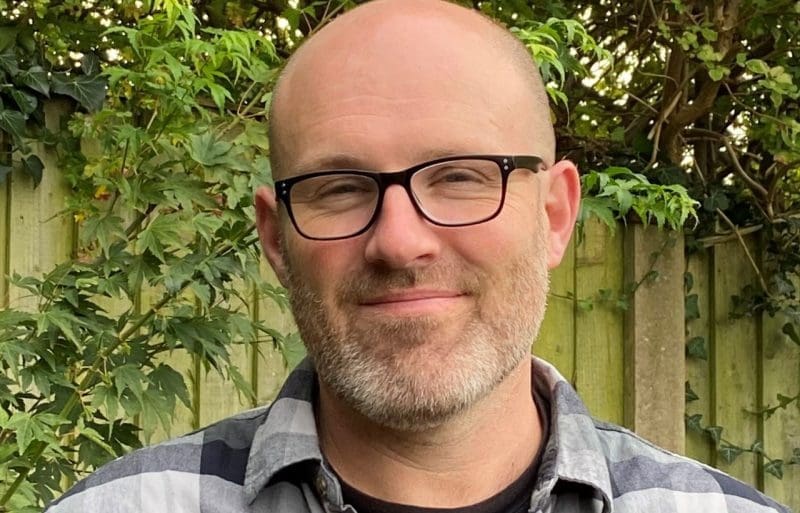
Tom is the managing director of RSK Biocensus with over 25 years of consultancy experience. Tom has worked across many sectors covering projects in the UK, Europe, Middle-East and Africa.
References:
1. Smith, T. (2025) The use of hazel dormouse Muscardinus avellanarius boxes and nest tubes by moths (Lepidoptera) in the UK. Entomologist’s Record & Journal of Variation, 137(5), pp 234-23
Photo credit – Tom Smith