As part of our knowledge-sharing ethos, we launched the First Thursday Club webinar series in 2021 to promote and support a high standard of ecology, environment and sustainability practices across the industry. The webinars deliver a deep dive into new topics each month alongside expert guest speakers, providing their experience and insight into the topics.
The series is now celebrating its six year anniversary, and in that time we have hosted 64 webinars, with over 60 experts sharing their knowledge across a large variety of topics. We wanted to take this opportunity to look back at some highlights and momentous occasions from the series so far.
Great Crested Beginnings – August 2020
Our very first webinar in the series launched in the midst of the global pandemic, providing a new source of knowledge-sharing and insights from experts across RSK Biocensus and the wider RSK Group.
The webinar – ‘Licensing Policies for Great Crested Newts’ – presented by Dr. Stephanie Wray, former Director at RSK Biocensus, and Tim Hounsome, former Managing Director of RSK Biocensus and now Director at RSK Nature Repair, was in part in response to then prime minister Boris Johnson’s comments on great crested newts (GCN), suggesting that we need to spend less time surveying newts to speed up development and boost the economy.
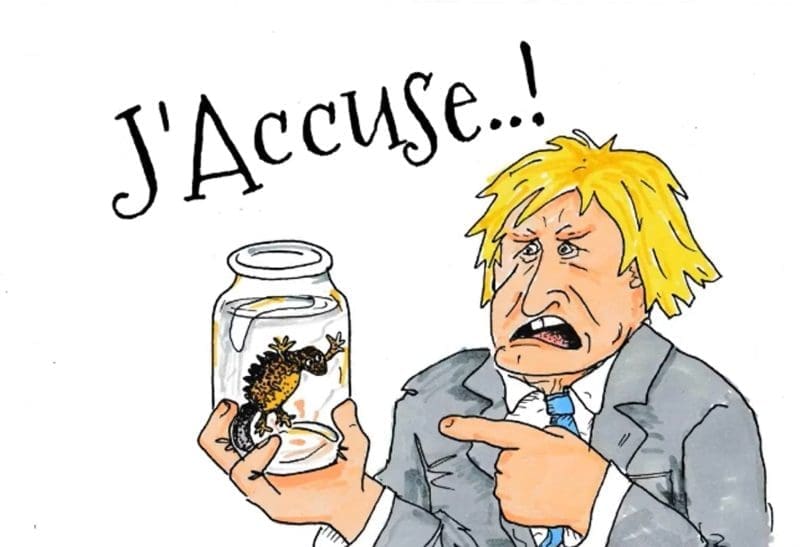
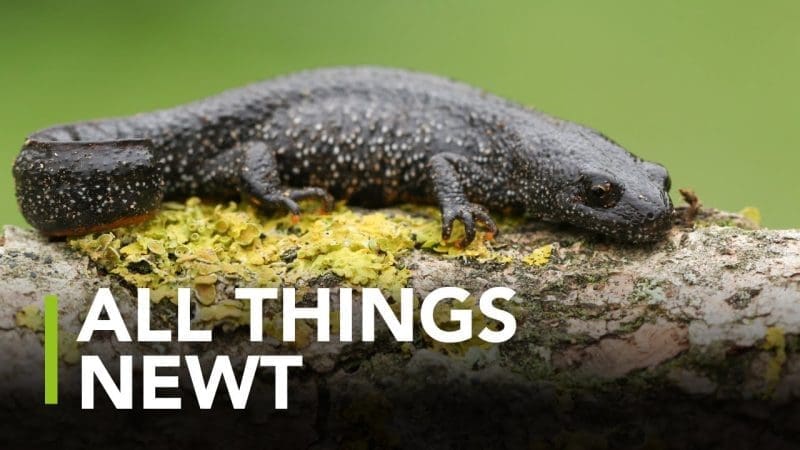
In response, Steph and Tim discussed why we need to survey for GCN, what survey methods were currently being used, and how environmental DNA (eDNA) surveys are faster, non-invasive, and a much more effective method of detecting newts.
During the webinar, the presenters looked at mitigation licensing, and compared this to district level licensing, the latter being a new approach at the time, and although it was faster and more likely to have development approved, it came with the risk of killing the very species we are trying to protect.
This first webinar was an important look into licensing and survey methods for GCN, and fantastic start to the First Thursday Club series. You can watch the full video here.
Setting the standard – September 2020
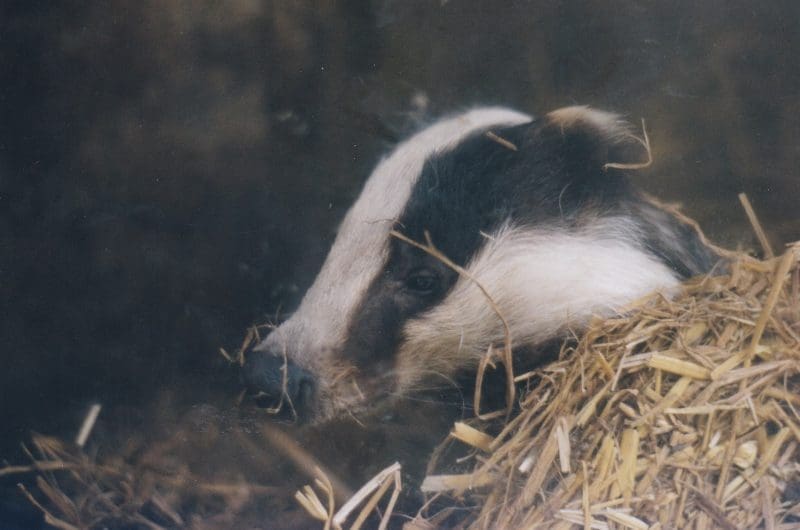
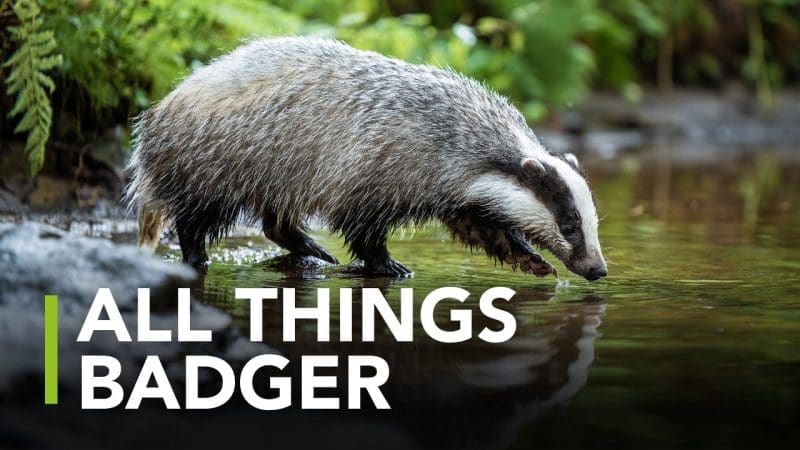
Our second webinar – ‘Badgers on Development Sites’ – was presented by Prof. Richard ‘Dez’ Delahay, Director at RSK Biocensus, in his first of many appearances across the series. Although Dez’s academic field is Wildlife Disease, badgers have dominated his research interests for much of his career, and his experience is evident throughout the discussion.
The webinar began with a broad overview of badgers, from how they look to where they live, including what they eat (keep an eye on your Mars bars!). The presentation then went into more detail on the protection of badgers; from their history of persecution, to laws being introduced to protect the species (Protection of Badgers Act 1992).
Dez then went on to discuss badger licensing, artificial badger sets, and fencing, before highlighting the five golden rules of dealing with badgers:
- Information is power
- Is there another way?
- Never underestimate them
- Timing is everything
- Get advice early on
Dez’s passion for his subject and these mammals in particular was clear throughout the webinar, and finishing off with a Q&A session with attendees gave Dez the opportunity to share even more of his knowledge. You can watch the full video here.
Insights into Disease Ecology – July 2021
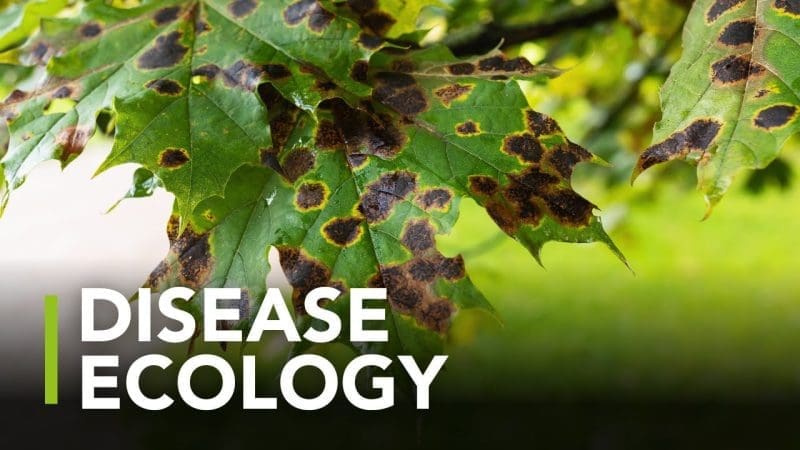
In our previous highlighted webinar, we alluded to the fact that Dez’s academic field was in Wildlife Disease, so the next webinar – ‘Wildlife Disease and Ecological Consultancy’ – pulled from his more than 25-year career in research science to share his wisdom.
The webinar started with an introduction to wildlife disease, and touched on the importance of this in relation to human health, agriculture and wildlife conservation. The focus then moved to look at the a number of diseases and their relationship to wildlife, beginning with rabies, already a familiar name to many, which came from foxes and is one of the oldest recorded zoonotic diseases; i.e. diseases that can be passed between animals and humans.
Dez then talked about some diseases that are less commonly known to have an animal origin, such as HIV, Ebola, and SARS, of which the latter is a close relation to SARS-CoV-2, the virus responsible for the COVID-19 pandemic, a fact that was incredibly relevant at the time.
Throughout the rest of the webinar, Dez described the impacts of different wildlife disease on agriculture, conservation and wildlife populations. Although this topic can be upsetting to discuss, Dez’s experience in this field led to a fascinating and important look into the different types of wildlife disease, the challenges posed by these, and how we can both understand and prevent the spread of the diseases.
This was another captivating talk from Dez, and certainly not the last time he would feature prominently in the First Thursday Club series. You can watch the full video here.
A deep dive into aquatic ecology – April 2022
Our next highlight comes from Dr. Peter Walker, Technical Director and Aquatic Lead at RSK Biocensus. This webinar – ‘Why and When You Might Need Aquatic Ecologists’ – covered exactly what you would expect from the title, starting with the services that we offer from our aquatic team.
Although the title may sound simple, Peter went into thorough detail on aquatic habitats and species, and case studies from past aquatic projects before moving onto the Q&A segment of the webinar.
One of the case studies that was particularly fascinating was when a client was required to replace an existing concrete headwall; as the site was located in an intertidal/estuarine environment and was part of a Marine Conservation Zone (MCZ), our aquatic team was contacted to undertake habitat surveys and sedimentary sampling in the area.
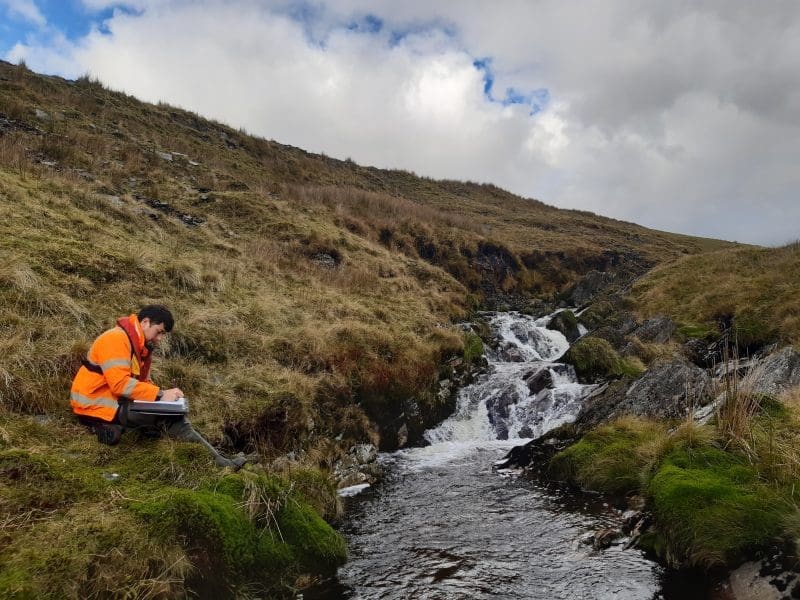
Our surveys found tentacled lagoon worm (Alkmaria romijni) – a designated species of the MCZ which is considered a highly vulnerable species, being afforded protection under the Wildlife and Countryside Act. This estuary is one of the few locations in the region where this species is known to occur.
We then provided advice on appropriate mitigation strategies and the proposed translocation of sediments that could possibly contain lagoon worms. This case study shows exactly why our aquatic team is so important, both in our client’s development proposals, as well as the conservation of aquatic species.
Pete’s discussions were a very detailed insight into the world of aquatic ecology, and the webinar as a whole was incredibly informative, you can watch the full video here.
It’s up to us – March 2023
In our final highlighted webinar, we want to take a look into an issue that affects not just ecologists, but the entire planet that we call home. Presented again by Dr Stephanie Wray – ‘A Lunchtime Guide to Climate Change’ – posed one of the most important questions around the world today, how can we save the planet?
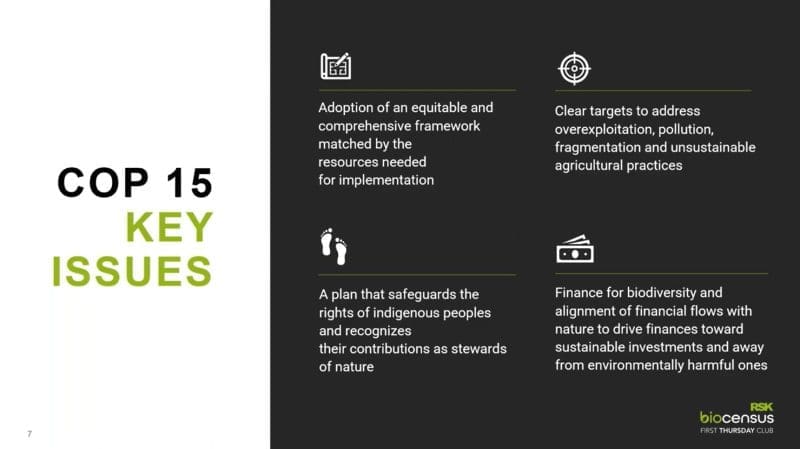
This webinar was a direct follow-up to the Meeting of the Conference of the Parties (COP15), originally planned to be held in China in 2020, but ended up being postponed until 2022 due the global pandemic, at this point it was also moved to be held in Montreal, Canada. COP15 brought countries from all over the world to agree targets to tackle the biodiversity crisis, these new targets being incredibly important for nature recovery and enhancement.
After discussing the new targets, Steph detailed exactly how both business and individuals can make a difference in the fight against climate change.
Actions for businesses:
- Understand your dependence on nature
- Identify key impacts, risks and opportunities
- Start to align with key frameworks like Science Based Targets Network (SBTN) and the Taskforce on Nature-related Financial Disclosures (TNFD)
- Develop and implement measures to reduce impacts
- Set targets and work towards nature positive
- Re-invest in the parts of nature that you rely on
Actions for everyone:
- Consider what you eat carefully
- Consider the whole life cycle of things you buy
- Invest your money/pension wisely
- Get out in nature and remember what you’re fighting for
- Be energy conscious
- Think before you spend
- Garden with wildlife in mind
- Take the least carbon-intensive travel option
- Break up with single use plastic
This webinar was very much needed considering the state of the planet as a whole, and is even more relevant today. You can watch the full video here.
What’s next?
Our First Thursday Club series has gone from strength to strength in the last six years, and we are sure that the next six years will be even greater. Next time, we will be discussing more of our highlights from the First Thursday Club series, including landmark occasions and even more compelling insights into the world of ecology, and our lives as a whole.
The series is still going as strong as ever, and this week on Thursday 3rd September we will be hearing from Chris Cathrine, Technical Director at RSK Biocensus, who will be discussing how to integrate terrestrial invertebrates into ecology projects, assess survey needs, and deliver robust, evidence-based impact assessments. You can register to attend the webinar here or you can view the full video on our YouTube channel after it has concluded.
You can find our full collection of First Thursday Club webinars here.